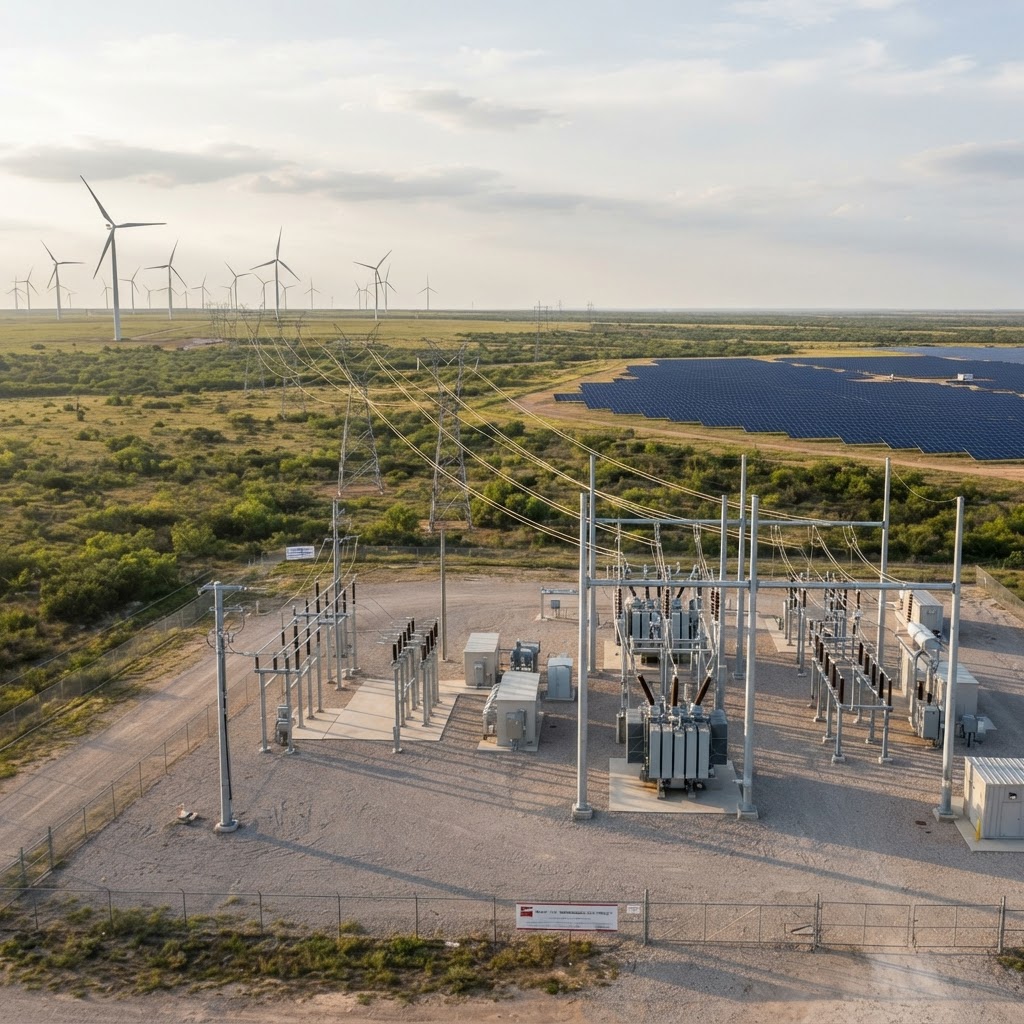
The U.S. Department of Energy’s Office of Energy Dominance Financing has officially closed a $3.26 billion loan to AEP Texas, marking a significant milestone in the ongoing effort to fortify the state’s electrical infrastructure. This capital injection is designed to accelerate the modernization of the Texas grid, focusing on enhancing system resilience against extreme weather events while simultaneously driving down electricity costs for residential and commercial consumers. By leveraging federal financing, AEP Texas aims to deploy advanced grid-enhancing technologies and infrastructure upgrades that are critical to maintaining reliable power delivery across its expansive service territory, ensuring the grid remains robust enough to meet the state’s rapidly growing energy demand.
Key Findings
The $3.26 billion financing package represents a strategic deployment of federal capital aimed at addressing long-standing grid vulnerabilities. Key components of the project include the integration of smart-grid sensors, the hardening of transmission assets against climate-related disruptions, and the implementation of automated distribution management systems. These upgrades are expected to significantly reduce outage durations and improve overall system efficiency. Furthermore, the project is structured to provide long-term economic benefits by stabilizing operational costs, which the Department of Energy anticipates will translate into tangible savings for Texas ratepayers. The investment underscores a broader federal strategy to prioritize grid reliability as a foundational element of national energy security, particularly in regions experiencing high load growth and industrial expansion.
Industry Response
Industry analysts and utility stakeholders have largely welcomed the announcement, viewing the loan as a vital endorsement of grid-modernization efforts. Market observers note that the scale of this financing provides AEP Texas with the necessary liquidity to execute capital-intensive projects that might otherwise face delays in the current high-interest-rate environment. Trade groups representing the utility sector have highlighted that such public-private partnerships are essential for scaling the infrastructure required to support the energy transition. By de-risking these large-scale investments, the Department of Energy is effectively catalyzing private sector participation in grid resilience. Utility executives have emphasized that this collaboration allows for a more proactive approach to maintenance and capacity expansion, ensuring that the grid can accommodate both traditional load and the increasing integration of distributed energy resources.
What's Next
With the financing now secured, AEP Texas is expected to move immediately into the procurement and construction phases of its modernization roadmap. The next critical milestones include the rollout of advanced grid-enhancing technologies and the commencement of major transmission hardening projects scheduled for the upcoming fiscal quarters. Regulators and stakeholders will be closely monitoring the project’s progress, particularly regarding the timeline for system-wide performance improvements and the realization of projected cost savings for consumers. As the utility begins to deploy these funds, the focus will shift toward operational integration and ensuring that the new infrastructure meets the rigorous reliability standards required for the Texas grid. This project serves as a bellwether for future utility-scale grid investments, setting a precedent for how federal loan programs can be utilized to address regional energy challenges.