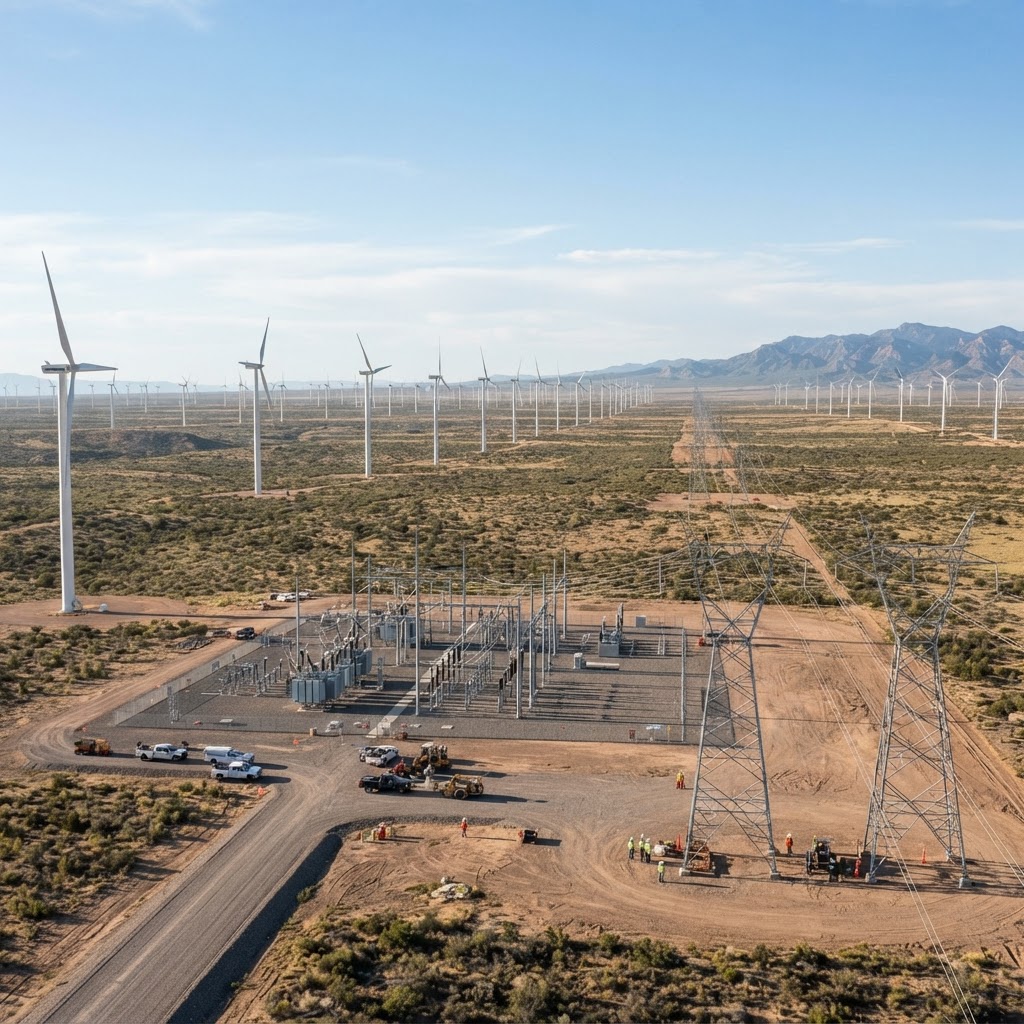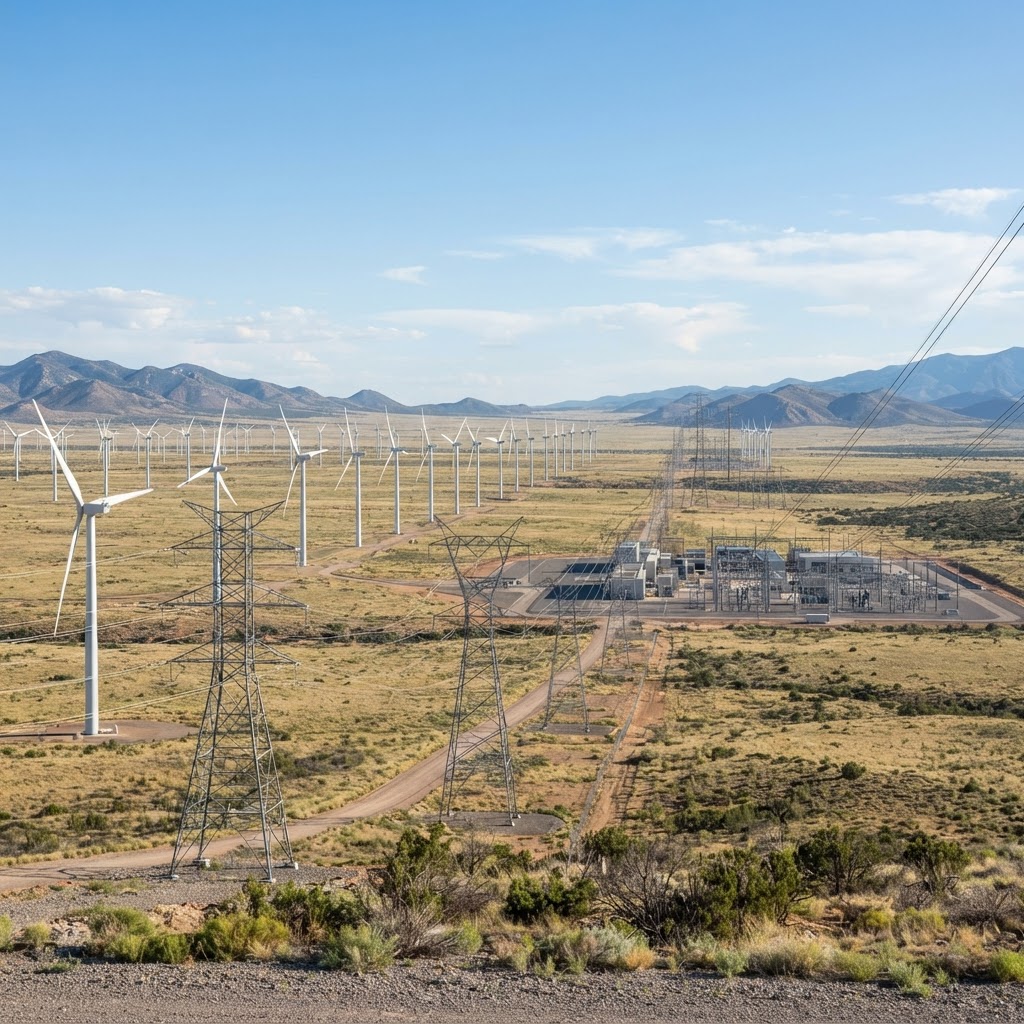
The U.S. energy landscape reached a historic milestone this month as Pattern Energy announced the full operational launch of the SunZia project. As the largest clean energy infrastructure development in American history, the initiative integrates a 3,650-megawatt wind facility in New Mexico with a 550-mile high-voltage direct current (HVDC) transmission line. By bridging the gap between abundant wind resources in the high plains and the high-demand markets of the western grid, SunZia is now delivering reliable, affordable power to approximately one million homes annually. This successful commissioning underscores a pivotal shift in how large-scale renewable assets are financed, permitted, and deployed to meet modern grid requirements.
Key Findings
The SunZia project represents a massive capital deployment, underpinned by an $11 billion non-recourse financing package that demonstrates robust investor appetite for large-scale, multi-state energy infrastructure. The project’s technical architecture is equally significant, featuring a 3.5 GW wind farm and a 550-mile HVDC link that provides a critical artery for power delivery across the Southwest. By successfully navigating nearly two decades of permitting and planning, the project proves that complex, multi-jurisdictional infrastructure can be brought to fruition within a reasonable construction timeframe. The facility is now fully operational, with the transmission line providing a bidirectional link that enhances grid flexibility and reliability for utilities across New Mexico and Arizona. This project serves as a blueprint for future long-haul transmission developments, proving that the renewable sector can secure institutional-grade financing previously reserved for traditional thermal generation assets.
Industry Response
Industry leaders have hailed the project as a triumph of engineering and collaborative planning. Hunter Armistead, CEO of Pattern Energy, noted that the project proves the country can still build the consequential infrastructure necessary to support a modern energy system. The scale of the financing, which involved a diverse group of partners, has been cited by analysts as a testament to the maturity of the renewable energy market. Hitachi Energy, which provided critical technology for the HVDC converter stations, emphasized the project's role in driving the evolution of the global energy system toward more secure and sustainable power. Furthermore, the project’s ability to maintain momentum through its construction phase—employing over 2,000 workers—has been lauded by regional stakeholders as a major economic driver for the Southwest, providing long-term benefits that extend well beyond the initial commissioning phase.
What's Next
With the project now fully online, the focus shifts to optimizing the integration of this massive wind capacity into the broader Western Interconnection. The successful delivery of power from New Mexico to Arizona serves as a catalyst for further transmission expansion, as grid operators look to replicate this model to alleviate congestion and integrate additional renewable resources. Pattern Energy is expected to monitor the performance of the HVDC link closely, as it provides a template for future inter-regional connectivity projects. Looking ahead, the industry will be watching for how the SunZia model influences upcoming regulatory discussions regarding transmission siting and cost allocation. As the project begins its multi-decade operational life, it will provide a steady stream of clean energy, helping utilities meet their decarbonization targets while ensuring grid stability during peak demand periods across the American Southwest.